
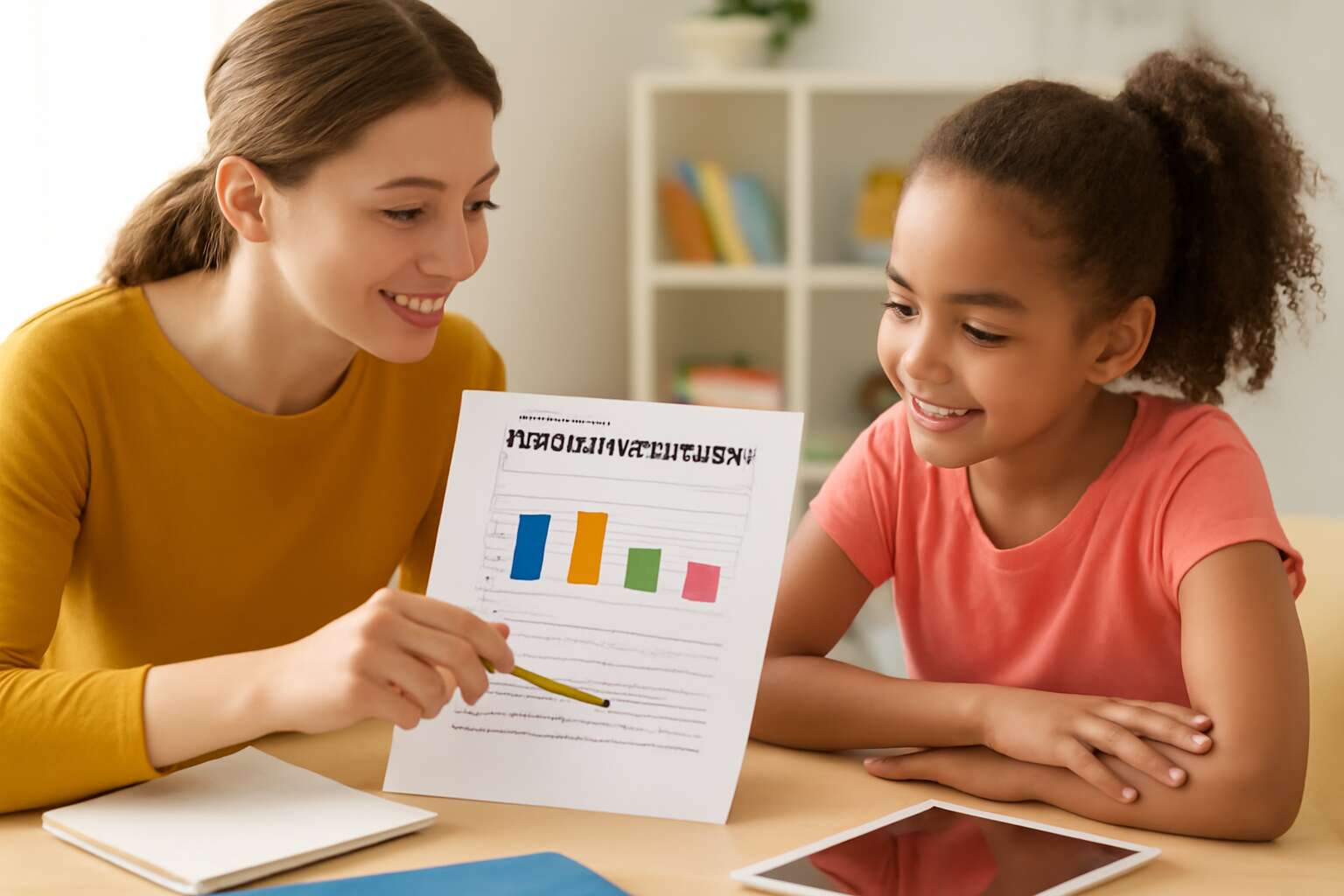
Comprehensive outline for tutor report optimization
Understanding tutor reports and why they matter
In South Africa, a crisp tutor report can reshape a learner’s path—one precise update can spark a crucial conversation with a parent and unlock the support they need. A recent SA survey found that 68% of parents say clear progress updates influence whether they continue tutoring. Understanding tutor reports and why they matter means translating quiet classroom signals into a narrative families can act on. I’ve seen how a single line can turn worry into resolve!
- Explicit goals and mastery milestones that map progress over time
- Concrete evidence: task outcomes, learner voice, and teacher observations
- Future-facing focal areas and potential opportunities for growth
By studying tutor report examples, the architecture of credible updates comes to life—balancing data, empathy, and crisp storytelling that resonates across classrooms here in SA.
Template and structure best practices
In SA, 68% of parents say clear progress updates influence whether they continue tutoring. A well-crafted outline for tutor report optimization acts as a compass, turning data into a narrative families can act on. This approach mirrors tutor report examples where structure meets storytelling to illuminate a learner’s path.
- Context and goals
- Evidence: outcomes, learner voice, observations
- Actionable next steps and supports
- Consistent language and scaling for comparison
Aligned with tutor report examples, this framework translates data into accessible insight. Best practices keep the template crisp: consistent sections, concise language, and visuals that highlight milestones. Use future-facing language and embed learner voice alongside teacher observations, so parents see not just what happened, but what comes next for growth.
Subject-specific report examples
In South Africa, 68% of parents say clear progress updates influence whether they continue tutoring, a truth that shines through tutor report examples that turn numbers into a navigable story. Numbers become characters, guiding families toward brighter learning trajectories.
Comprehensive outlines act as compasses for subject-specific reporting, aligning outcomes with the learner’s voice and observed moments. A well-crafted framework makes reports feel cinematic rather than technical. Consider these elements:
- Context and goals, anchored in observed progress
- Evidence: outcomes, student voice, and classroom notes
- Actionable next steps and supports
- Consistent language and scalable comparisons
Future-facing language invites families to glimpse tomorrow’s milestones, while visuals spotlight milestones with clarity. In these reports, embedding learner voice beside teacher observations makes growth legible and aspirational.
Common mistakes and how to fix them
From the quiet corridors of South Africa’s tutoring rooms, a single, well-wrought tutor report examples can steer destinies. A recent survey shows 68% of parents say clear progress updates influence whether they continue tutoring, turning numbers into a navigable story. The comprehensive outline for tutor report optimization acts as a compass, guiding outcomes toward the learner’s own voice while preserving the theatre of growth—translating effort into luminous, legible milestones.
Common missteps stalk the page like shadows.
- Vague language that glosses over progress
- Inconsistent terminology and formatting
- Evidence that ignores student voice or misses classroom moments
- Overload of numbers without narrative context
When language remains twelve-tone—consistent terminology, coherent formatting, and the learner’s own voice braided with teacher observations—the report reads as a nocturne: lucid, specific, and tethered to real moments in the classroom. In tutor report examples, missteps recede, and families glimpse tomorrow’s milestones with a steadier heart.



0 Comments